
Keynote Speakers
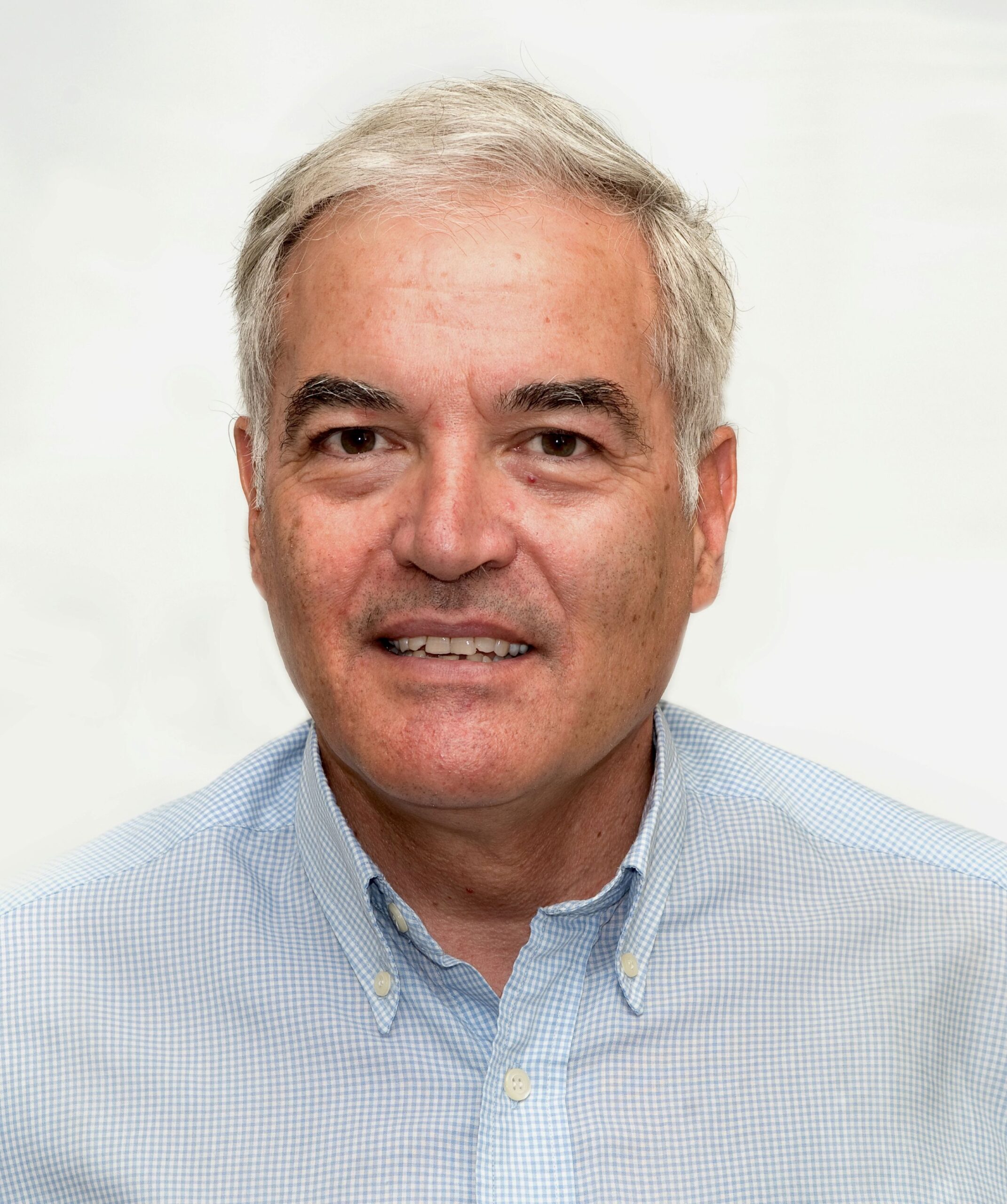
José M. Almendral del Rio, Professor of Microbiology at the Centro de Biología Molecular Severo Ochoa (CSIC-UAM), Madrid (Spain), has devoted more than forty-five uninterrupted years to research and education. PhD on the structure and genetic organization of the African Swine Fever Virus genome. Postdoctoral research in the EMBL (Heidelberg, Germany) isolating genes involved in the control of cell proliferation, including PCNA. In the Ciemat (Madrid, Spain) he contributed in the early development of retroviral hematopoietic gene therapy. In the parvovirus field, his research uses minute virus of mice (MVM) as a molecular model to address diverse topics of wide general and applied interest, such as: (i) define the precise steps of the virus infection cycle (entry, capsid phosphorylation, nuclear assembly, and egress) and their coupling with the cell cycle; (ii) evolution of capsid domains in response to immune and host adaptation pressures; and (iii) virus interplay with cell biology pathways as MAPK, PKR translational control, and p53 regulatory network, that may be exploited in substantiating parvovirus anti-cancer therapies.

Aravind Asokan, Professor of Molecular Biology & Genetics and Biomedical Engineering at Duke University trained as an organic chemist before transitioning to virology. His research group’s earliest contributions to understanding the biology of Adeno-Associated Viruses were centered on dissecting capsid-glycan and capsid-receptor interactions that determine viral tropism in different organs/tissues. His lab mapped structure-function determinants of multiple AAV serotypes that dictate attributes such as the ability to cross the blood-brain barrier, liver tropism and cardiac as well skeletal muscle transduction. Over the past decade, the Asokan lab has developed AAV capsid library approaches for evolving novel tropisms such as immune cell populations, kidney etc as well as distinct antigenic profiles with the goal of expanding the recombinant AAV vector toolkit for gene therapy applications. Several of these newly engineered AAV variants are now being evaluated in preclinical and clinical settings for delivering therapeutic genes to treat monogenic disorders. Most recently, his group has focused on exploring the biology of serodistinct dependoviruses of non-primate origin including birds, reptiles and other species. These studies have helped discover novel mechanisms dictating host-specific AAV biology beyond entry mechanisms, particularly from the perspective of epigenetic silencing and transcriptional activity of viral genomes. His lab continues to explore the molecular mechanisms governing viral gene expression and interactions between the host cell, AAV particle and the viral genome.